
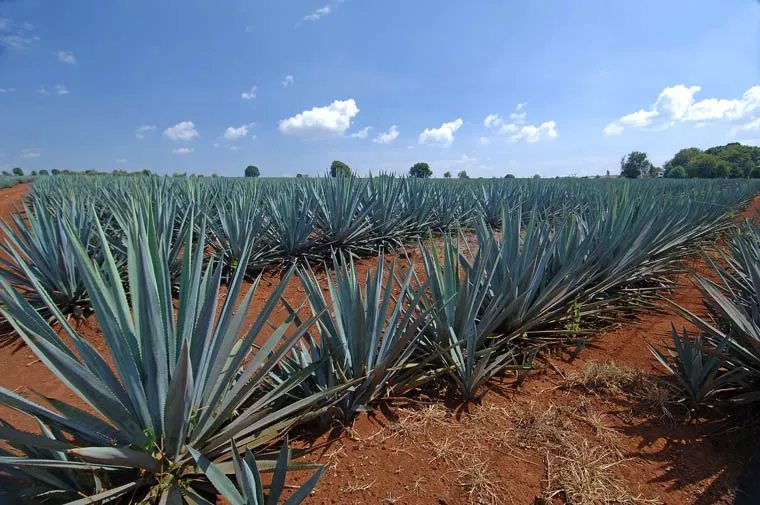
Known as Yucatán’s “green gold,” henequen has played an important role in the region’s agricultural history, economy and identity. This agave supplied a valuable natural fibre and became central to Yucatán’s economy during the henequen boom, leaving a lasting mark on society and the landscape.
The Henequen Boom
In the nineteenth century, henequen production expanded significantly in Yucatán. Ropes and other fibre products linked the region with international markets, especially during the late nineteenth and early twentieth centuries.
Over time, competition from other fibres and changes in markets contributed to the industry’s decline. Many former estates remain part of the Yucatán landscape, offering reminders of this industrial and social history.
Discovering the Wider Heritage of Yucatán
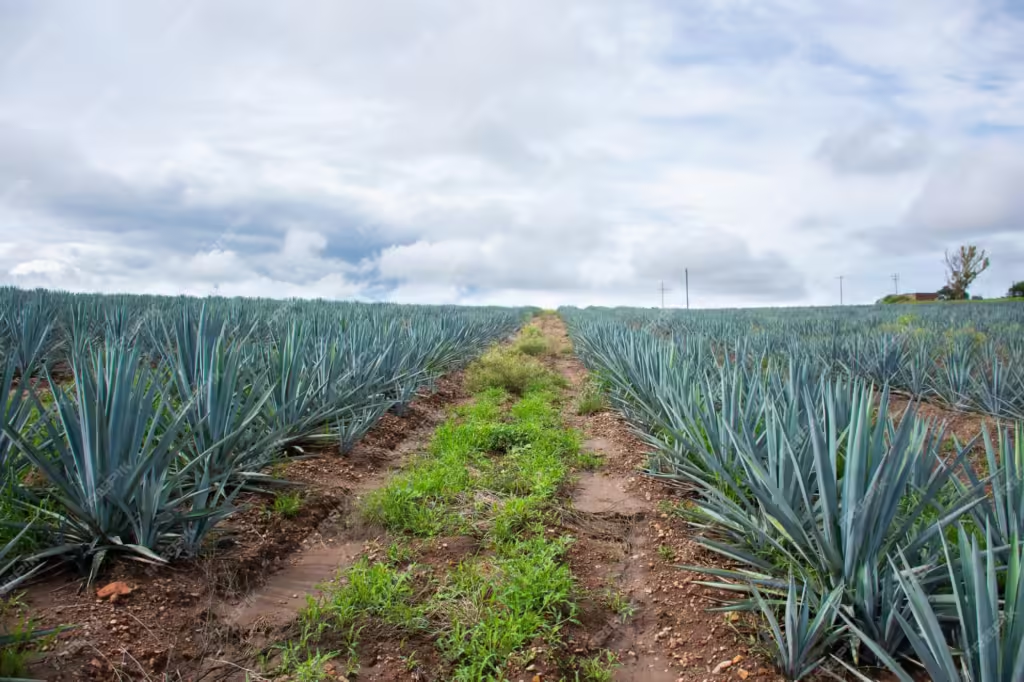
A visit to Zazil Tunich can inspire a wider interest in the region’s cultural and natural history. Ask your guide about local plant traditions and research dedicated henequen museums or estates if you would like to explore the industry in detail.
Explore Zazil Tunich’s cavern and stories as part of your journey through Yucatán. Visits to henequen estates are separate activities and should not be assumed to be included in a cenote booking.
Plan Your Cultural Journey
Click here to book your visit to Zazil Tunich. Learn how a natural fibre helped shape the economy and identity of Yucatán, then explore the experiences available for your visit to Zazil Tunich.
Henequen is more than a plant: its story reflects the changing landscape and livelihoods of Yucatán. Let this heritage inspire a thoughtful itinerary, combining a guided cenote visit with separately arranged cultural stops.
