
In the landscapes of Yucatán, cenotes hold meanings that go beyond their natural beauty. Zazil Tunich offers an evocative setting for exploring Maya stories about the underground world and the relationship between water, nature and the sacred..
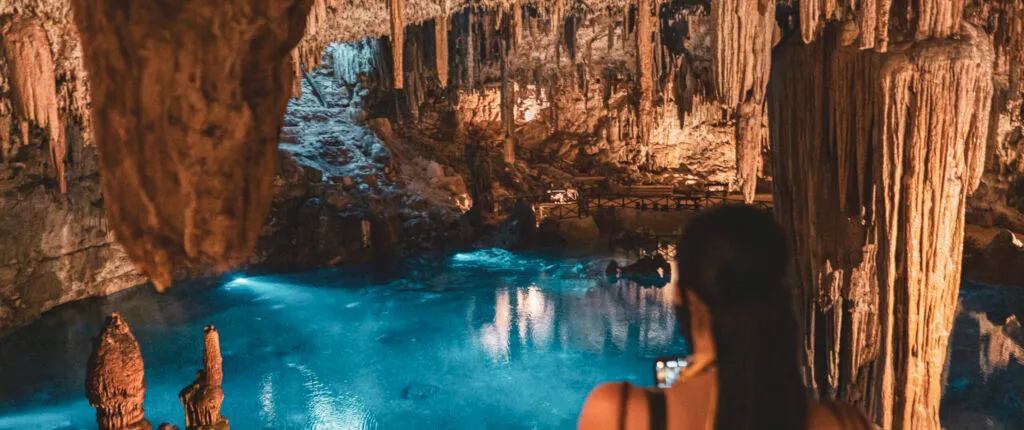
The Cenote and the Underground World
Cenotes have been important sources of water and sacred places in Maya traditions. Their association with the underground realm connects them with stories of deities, ancestors and ceremonial practice.
At Zazil Tunich, mineral formations and the atmosphere of the cavern inspire this cultural interpretation. Their shapes can evoke figures and stories, while remaining natural features formed through geological processes.
Rituals and Offerings
Ceremonial traditions associated with caves and cenotes can include offerings, incense, song and other acts of devotion. Materials such as jade and ceramics feature in archaeological evidence from particular sites.
Objects associated with ceremonial practices help researchers explore Maya spiritual life. Ask your guide about any finds or replicas discussed at Zazil Tunich and the evidence supporting their interpretation.
Reflection and Renewal
Beliefs about purification connect water with symbolic renewal. These spiritual meanings should be distinguished from medical claims: bathing in a cenote is not a treatment for illness.
The quiet atmosphere, water and natural beauty can offer a welcome pause for reflection. Each visitor experiences the setting in their own way.
Discover the cultural interpretation shared during a guided visit to Zazil Tunich. For ceremonial experiences, check the current schedule and inclusions, and approach the traditions with respect.
