
The Maya developed sophisticated ways to measure time, linking calendars with astronomy, agriculture, ceremonies and daily life. Exploring these systems offers another window into their worldview and the cultural heritage shared during a visit to Yucatán.
Understanding Maya Timekeeping
Maya timekeeping combined several interlocking cycles. Mathematical knowledge and careful observation of celestial patterns helped shape these systems. Their importance extended beyond counting days to community life, agricultural planning and ceremony.
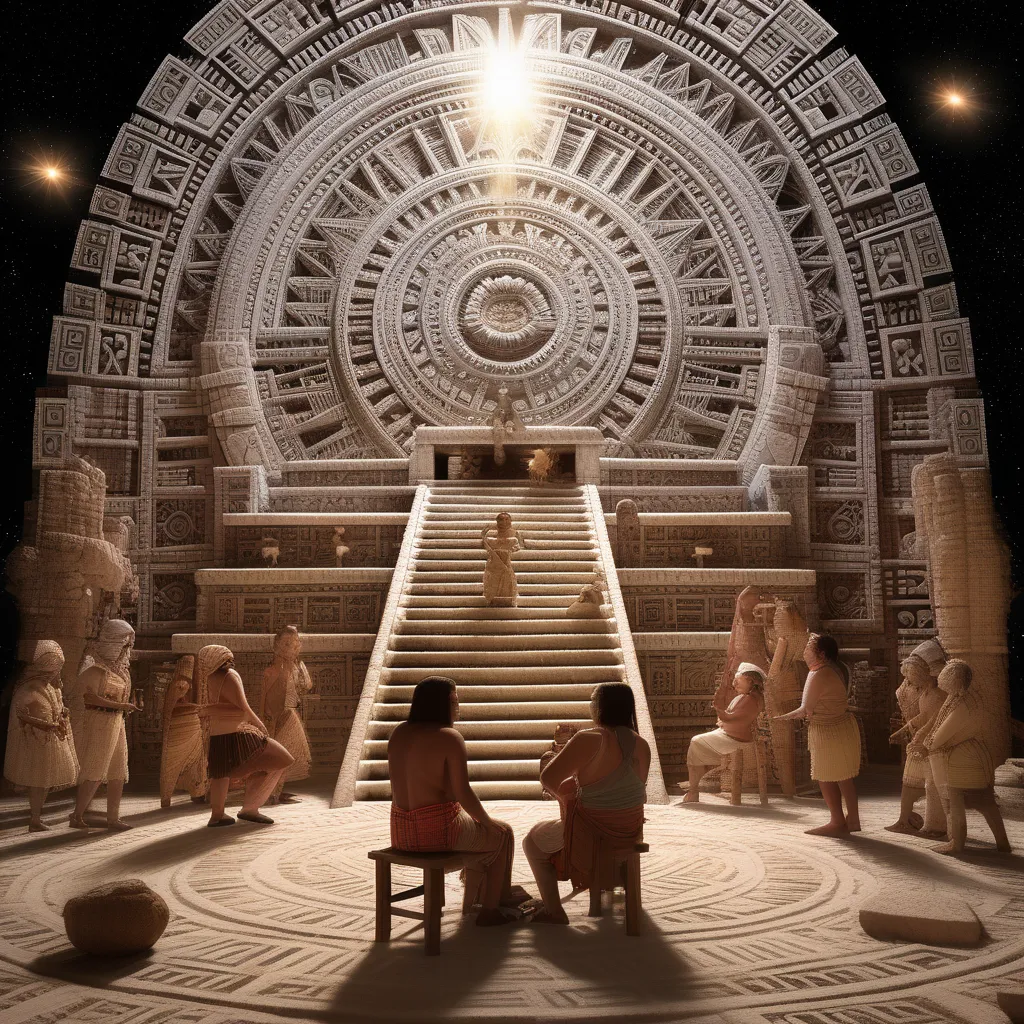
Zazil Tunich’s natural setting offers an opportunity to reflect on the connections between landscape and Maya cultural stories. If you are interested in a visit around an equinox or solstice, ask the team whether any special activity is available2. Dates alone do not imply that a dedicated astronomy event is included.
Learning about Maya timekeeping can add depth to a guided cultural experience. Ask about the stories and interpretation available during your visit. Any special nighttime session or calendar-related ceremony should be confirmed in advance.
Discover More at Zazil Tunich
Visit the cenote and explore the stories that connect its setting with Maya heritage. An interest in calendars and astronomy can inspire you to see the landscape from another perspective.
Plan Your Cultural Visit Click here to book a visit to Zazil Tunich. Choose an available experience and contact the team if you would like to explore a particular cultural theme.
This article invites you to appreciate Maya calendars as part of a rich intellectual and cultural heritage. A guided cenote visit offers a memorable natural setting in which to discover more of Yucatán’s stories. Book your visit and begin exploring Zazil Tunich.
