
Discover how the ancient Maya understood and recorded time. Calendars connected everyday life with ceremonial traditions, nature and the cosmos. At Zazil Tunich, cultural storytelling offers an introduction to this fascinating heritage.
Sacred Time in Maya Traditions
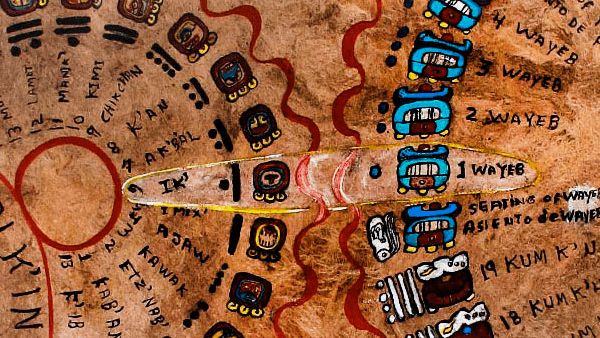
Cycles were central to Maya understandings of time, reflected in observations of the sun, moon and stars. Ritual life linked the past, present and future through patterns that carried spiritual meaning.
The Maya developed interconnected calendar systems. The Tzolk’in uses a 260-day cycle associated with ceremonial life, while the Haab’ is a 365-day calendar. Together, they formed part of a sophisticated understanding of time.
The Calendar Round and the Long Count
Combining the Tzolk’in and Haab’ creates a Calendar Round of approximately 52 years. The Long Count records dates across much longer spans, enabling the placement of events within an extended chronology.
Sacred Time in Maya Traditions
Changes in light and the rhythms of nature can inspire reflection on Maya astronomy during a visit. The idea of Zazil Tunich as an ancient observatory is speculative, rather than an established use of the site.
Discover Maya Ideas About Time at Zazil Tunich
Ask your guide about Maya calendars and their cultural significance. The stories introduce how timekeeping related to everyday activities, rituals and ceremonies. Confirm any specialist workshops separately with our team.
Explore the cavern along the visitor route and appreciate its natural formations. Cultural interpretation provides context for understanding Maya heritage without requiring visitors to search for or disturb archaeological objects.
Plan Your Journey into Maya Heritage
Reserve a visit to Zazil Tunich and discover another perspective on time through the stories of an extraordinary cultural tradition.
