
Journey beneath the surface and discover the geology of Zazil Tunich. Shaped by water and time, the cavern offers a striking introduction to the underground landscapes of Yucatán, where rock formations and clear waters reveal a story far older than human memory..
How Cenotes Form
Cenotes develop within limestone landscapes. Rainwater moves through the rock and gradually dissolves it, creating underground cavities. Where a roof collapses or an opening develops, the groundwater can become accessible as a natural pool. Cenotes take different forms, from open water to enclosed caverns.
A World of Mineral Formations
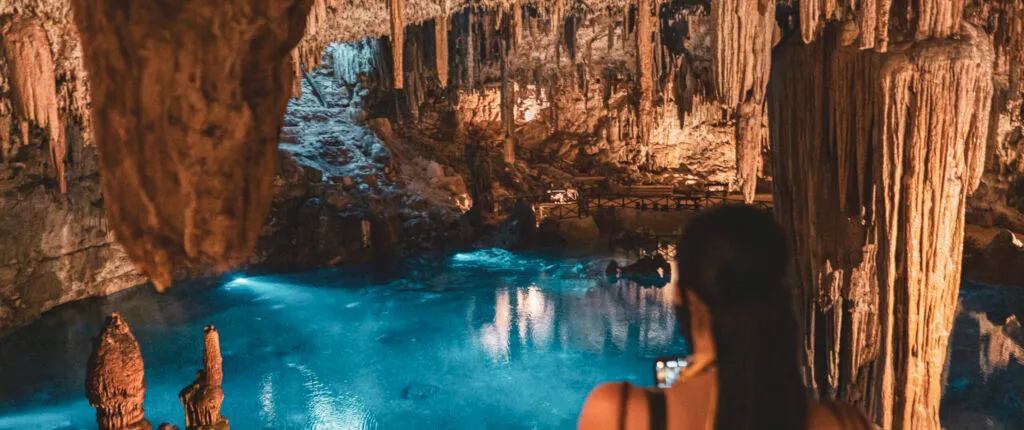
At Zazil Tunich, the cavern reveals stalactites, stalagmites and other striking mineral formations. Their shapes reflect processes that develop over long periods under particular local conditions.
Minerals deposited by water create these natural sculptures. Look closely at their forms and textures, and follow the guided route without touching them.
Exploring Yucatán’s Geological Past
The limestone of Yucatán preserves traces of its marine origins. Fossils in regional rocks help researchers understand landscapes very different from those we see today. Ask your guide which features can be observed during your visit.
Cave deposits can also preserve information about past environmental conditions. Their layers offer researchers clues to changes in climate and geology, adding scientific interest to their natural beauty.
The formations, groundwater and habitats of cenotes invite scientific study. They help reveal the processes that shape karst landscapes and the need to care for underground environments.
A visit to Zazil Tunich offers a memorable introduction to Yucatán’s geology and the importance of its cenotes. Enjoy the setting with curiosity and respect.
