
Maya heritage often brings to mind great pyramids rising above the forest or elaborate ceremonial scenes. Yet the reality, both historical and contemporary, is far richer than familiar stereotypes. The Maya are a living people whose diverse cultures continue to evolve.
Their remarkable achievements and enduring traditions invite us to discover a heritage that remains vibrant today.
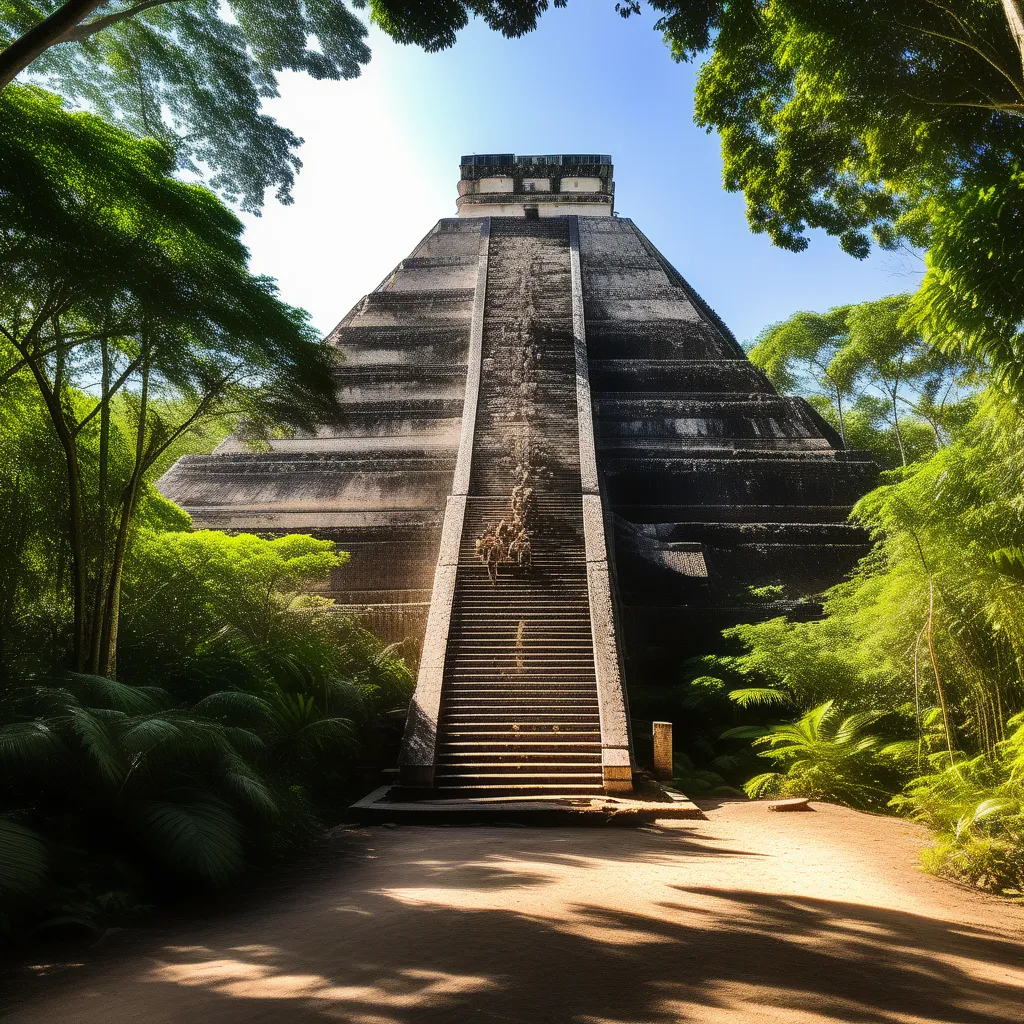
The ancient Maya made remarkable advances in mathematics and technology. Their use of zero and sophisticated numerical systems stands among the great intellectual achievements of the ancient world.
Careful astronomical observation informed complex calendars, while monumental cities and temples reflected their architectural skill. Their elaborate writing system recorded historical, political and spiritual knowledge that still inspires research and admiration.
Understanding the Decline of the Classic Maya Cities
The decline of many Classic Maya cities around the ninth century was not a single inexplicable event. Archaeologists study a combination of factors that affected different regions in different ways.
Pressure on resources, environmental change, conflict and disrupted trade all contributed, alongside periods of severe drought. Their relative importance varied across the Maya world, making this a complex historical process rather than one simple story.
The decline of cities did not mean the disappearance of the Maya. Communities continued, adapted and sustained their cultural heritage through changing circumstances.
A Culture That Remains Alive
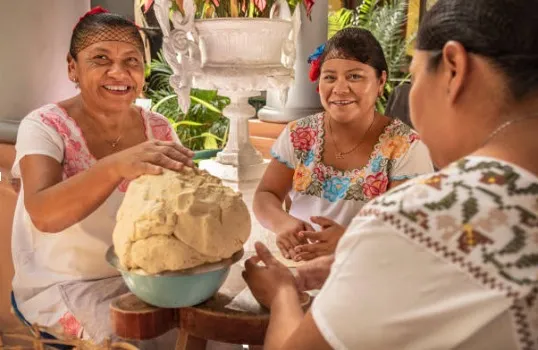
The skilled weaving of beautiful huipiles remains a living tradition. Herbal knowledge and spiritual ceremonies continue in many communities, Maya languages are spoken alongside Spanish, and traditional cooking draws on maize, beans, chillies and other ingredients with deep regional roots.
Contemporary Maya cultures honour ancestral heritage while embracing new influences. They remain dynamic, diverse and very much alive.
The Myth of the 2012 Apocalypse
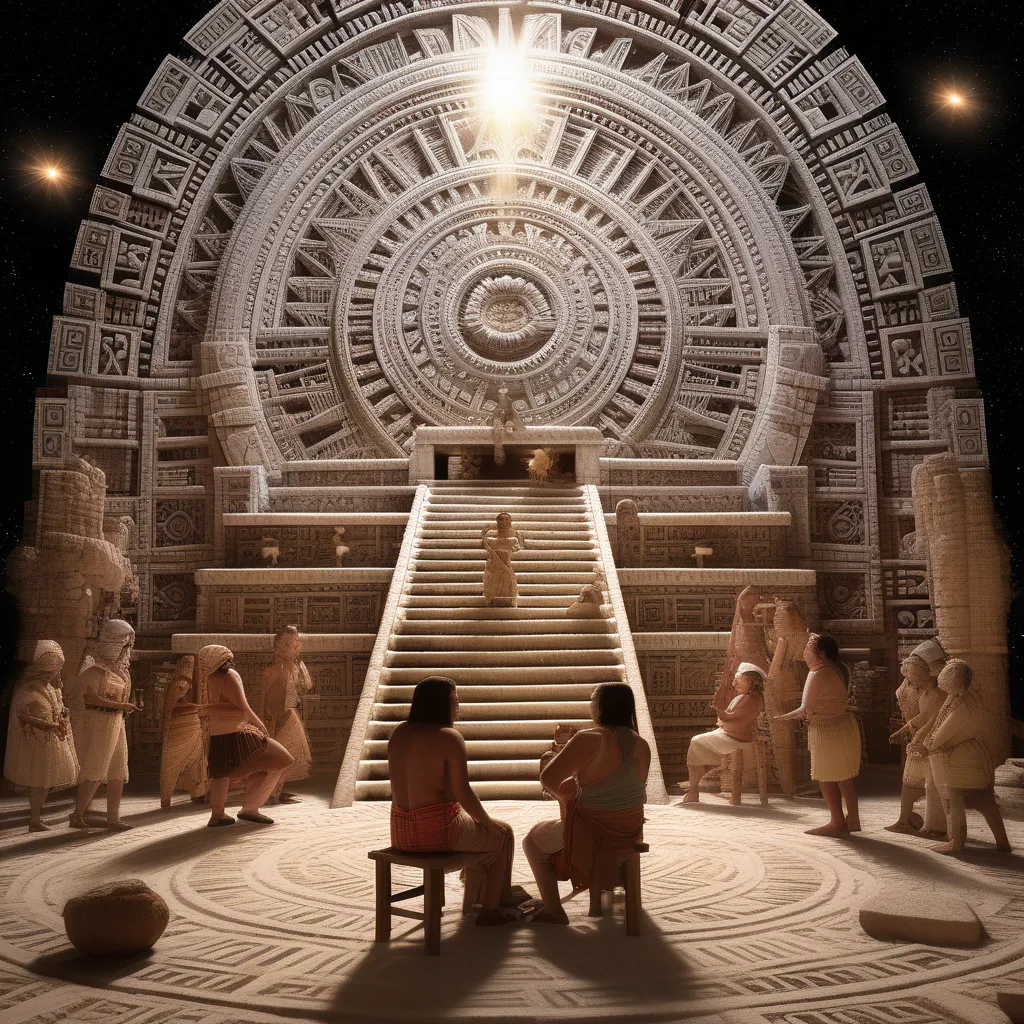
One of the most widespread misunderstandings about the Maya was the claim that the world would end in December 2012. It arose from mistaken interpretations of the completion of a cycle in the ancient calendar.
The date marked a calendrical transition, not a prediction of the apocalypse. December 21, 2012 passed without the end of the world.
The misunderstanding reminds us how much there is to learn about the complexity of Maya cosmology.
Three Common Misconceptions About the Maya
1. “The Maya No Longer Exist”
The reality: millions of Maya people are alive today
Maya people did not disappear centuries ago. Large communities live in Guatemala and in the Mexican states of Yucatán, Campeche, Chiapas and Quintana Roo, among other parts of the region.
Maya communities endured beyond the decline of the Classic cities. Today they continue to preserve their identities, languages and cultural heritage while participating in the modern world.
2. “The Maya Were a Primitive People”
The reality: remarkable scientific and technological achievements
This stereotype overlooks extraordinary achievements in mathematics, astronomy, writing and architecture.
The Maya used zero and advanced numerical systems, made detailed astronomical observations and developed sophisticated calendars. They built magnificent cities and a complex writing system that recorded a wide range of knowledge.
These achievements reveal a deep understanding of mathematics, nature and the world around them.
3. “Sacrifice Alone Defined Maya Culture”
The reality: a complex civilisation cannot be reduced to one practice
Human sacrifice and bloodletting occurred in certain Maya ceremonial contexts, but they were different practices and should not be confused. Neither provides a complete picture of Maya society.
The meanings of these rituals varied across time and place. Dramatised film portrayals often flatten that complexity and should not substitute for an understanding of the historical evidence.
Writing, architecture, agriculture, mathematics, astronomy and everyday community life are essential to appreciating the breadth of Maya heritage.
Discover the Living Maya World
At Zazil Tunich near Valladolid, cultural interpretation brings visitors closer to the traditions of Yucatán. Explore guided visits, dining and Maya ceremonies, checking each experience for its inclusions and schedule.
The underground cenote is the centrepiece of Zazil Tunich. Discover its illuminated rock formations and enjoy the clear waters as part of your guided experience, following the instructions that protect this natural setting.
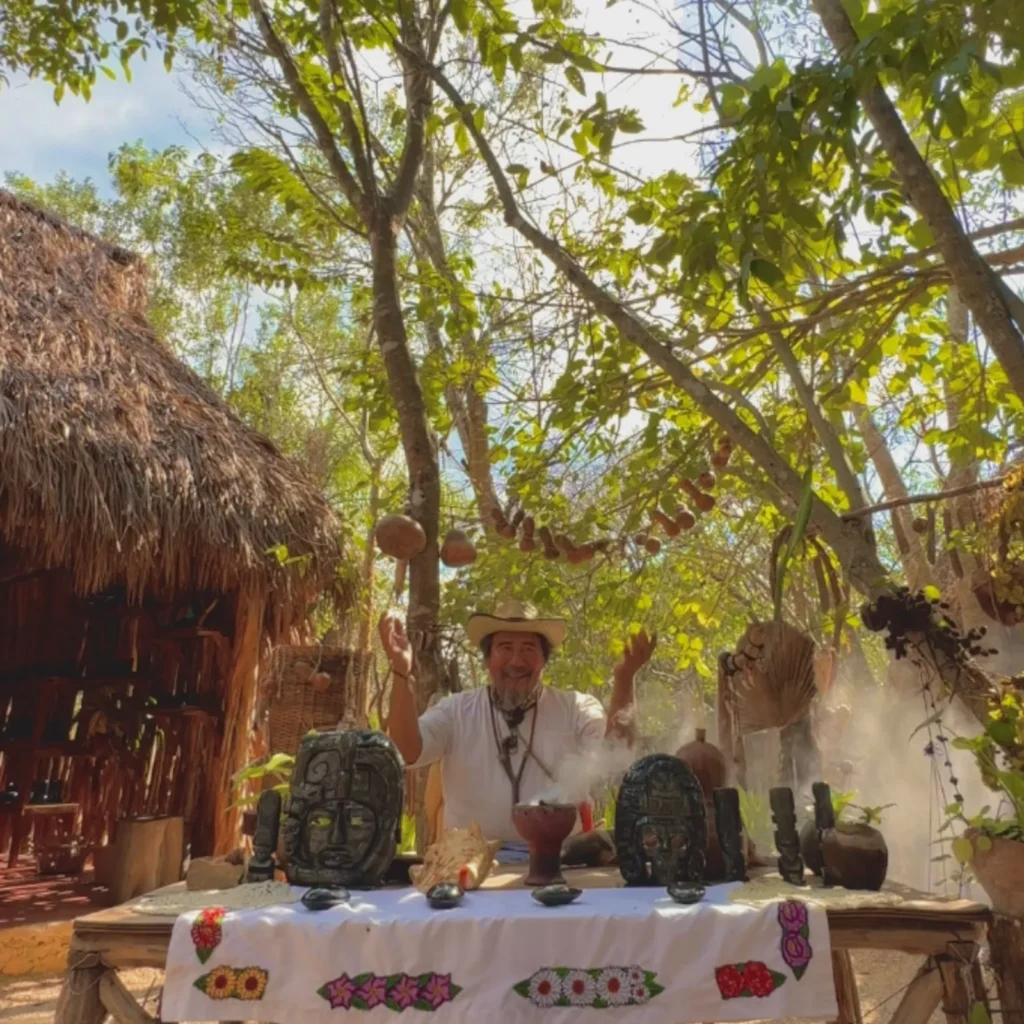
Local knowledge gives the visit its distinctive character. Guides share traditions rooted in Yucatec Maya heritage, regional cooking draws on recipes passed between generations, and ceremonial experiences introduce visitors to practices sustained through family and community knowledge.

Maya Culture at Zazil Tunich
Meeting the people who carry these traditions offers a meaningful encounter with living culture. Discover a heritage that continues through contemporary Maya communities, and approach it with curiosity and respect during your visit to Zazil Tunich.
