
Ixchel is a compelling figure in interpretations of Maya deities, associated with aspects of fertility, medicine and weaving. Popular retellings also connect her with the moon and water, although these identifications are complex. Discovering these associations offers a richer perspective on the cultural stories shared at Zazil Tunich.
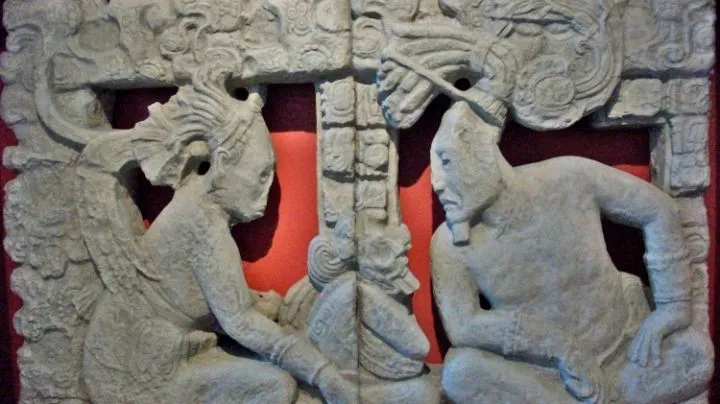
Ixchel in Cultural Interpretation
Images associated with Maya goddesses can include an older woman, a serpent headdress and powerful animal features. Ixchel is also popularly called the “Lady of the Rainbow”. Identifying ancient figures with named deities requires careful interpretation.
Associations with childbirth, fertility and healing reflect the spiritual beliefs of particular traditions. They describe cultural meaning rather than a promise that a visit or ceremony can produce a medical result.
Weaving and Creative Skill
Ixchel is also associated with weaving. The backstrap loom and the making of huipiles connect skilled craftsmanship with cultural identity and the knowledge passed between generations.
Weaving traditions can carry spiritual significance as well as artistic expression, honouring both the maker’s skill and the heritage of the community.
Ixchel and the Stories of Zazil Tunich
The clear waters and ancient formations of Zazil Tunich provide an evocative setting for contemporary interpretation of Ixchel and purification. Spiritual associations with water belong to cultural belief; bathing here does not guarantee healing or fertility.
Observation of the moon has an important place in Maya knowledge and stories. Its changing appearance offers a vivid image of cycles and renewal..
.
Ixchel continues to inspire cultural and spiritual interest. Exploring these traditions invites reflection on nature, creativity and the continuity of heritage.
A guided visit to Zazil Tunich offers a chance to discover the stories associated with the site and its cultural interpretation. Check the current programme for ceremonies and approach the traditions with curiosity and respect.
