
Maya heritage includes remarkable structures whose meaning extends beyond their physical form. The muul, a mound associated with ancient building remains, invites us to explore the relationships between architecture, community and cultural memory.
What Is a Muul?

A muul is a mound or raised structure, often formed from earth and stone. What appears to be a simple rise in the ground may preserve evidence of earlier construction.
The purpose of a particular mound depends on the site and its archaeological context. Some structures were associated with ceremonial, funerary or other activities.
Ceremonial Significance
Raised structures could form part of ceremonial landscapes, expressing connections between earthly life and sacred powers.
Ritual activities and offerings took place in particular spaces, with their meaning shaped by the period, community and purpose of the building.
Funerary Contexts
Some Maya structures contained burials, including those associated with prominent individuals.
Burial chambers and accompanying objects provide insight into beliefs, status and remembrance. Their interpretation requires archaeological evidence rather than assumptions based only on the shape of a mound.
Astronomical Associations

Maya architecture sometimes incorporated alignments associated with celestial observation. The meaning of any particular orientation must be studied within its local context.
Such relationships could connect buildings with timekeeping and ceremonial life, reflecting the importance of the sky in Maya knowledge.
Building the Muul
Large structures required skilled construction and coordinated work. Moving materials and shaping the building reveal both technical knowledge and the ability to organise a community around a shared undertaking.
Sacred Symbolism
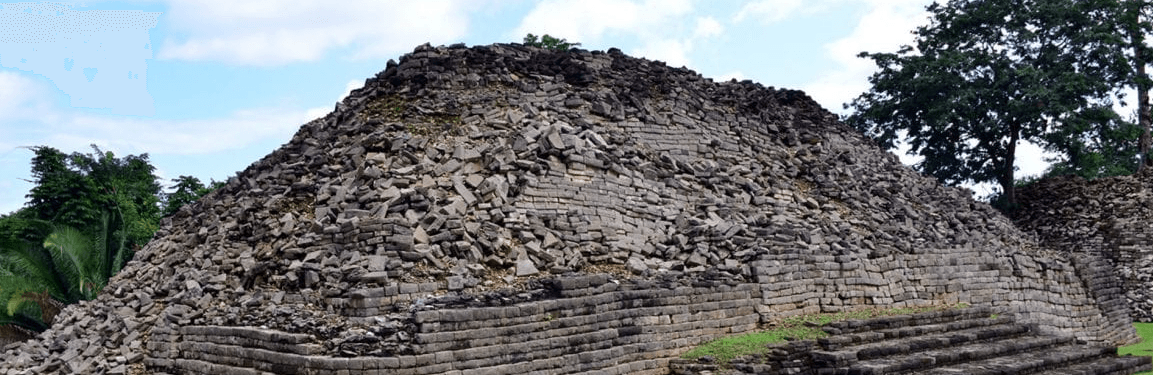
Elevated architecture could evoke the sacred mountain, a powerful image connecting the sky, earth and underground world.
In this interpretation, a mound becomes more than a physical structure: it also expresses cultural ideas about the world.
Muul Described at Zazil Tunich
Zazil Tunich describes three mounds near the entrance to the cenote museum. Local accounts associate them with earlier Maya occupation and recall other structures lost during later building activity. Ask your guide about the evidence and interpretation available during your visit.
The site also describes a developing space dedicated to Ixchel, associated in local interpretation with love and fertility. Stories of special experiences belong to personal belief; a visit or ceremony does not promise miracles or fertility outcomes.
If you would like to visit the space dedicated to Ixchel, ask the team about access, appropriate conduct and any offerings before your visit.
Plan Your Visit
Discover the local stories and natural setting of Zazil Tunich through a guided experience. Check current access and activities before booking.
Explore a landscape where stone formations and cultural interpretation invite reflection on time and tradition.
Plan your visit and discover Maya heritage at Zazil Tunich.
