
In the heart of the Maya jungle, cenotes stand as natural altars, silent witnesses to stories of ancient rituals and offerings to the gods. These pools of clear water, regarded as entrances to the Maya underworld, express a deep spiritual connection with the forces of nature.
The Cenote and the Underground World
For the Maya, cenotes were much more than sources of water. They were known as d’zonot, “sacred wells”: gateways linking the earthly world with Xibalbá, the underworld of gods and ancestors. Purification rituals, offerings and ceremonies honouring the dead took place at these sacred sites.
Offerings and Rituals at Zazil Tunich
At Zazil Tunich, the cenote remains a place of spiritual significance. Visitors can discover the cultural tradition of offerings and rituals associated with these sacred settings. Common offerings include:
- Flowers: Symbols of beauty, life and renewal.
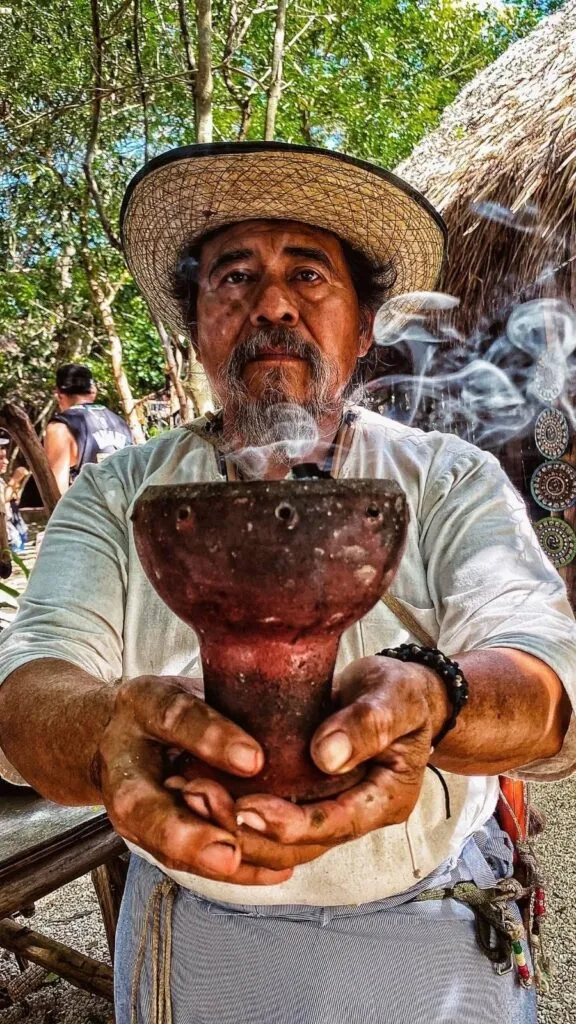
- Incense: Used to purify the surroundings and carry prayers.
- Maize: A sacred food representing life and abundance.
- Copal: An aromatic resin used to honour the gods.
- Jewellery and precious objects: Symbols of devotion and gratitude.
Discover the cenote at Zazil Tunich and its sacred meaning in Maya culture. Our guides accompany you on a respectful journey through its natural beauty and the stories that give it cultural significance.
Make Zazil Tunich part of your journey through Yucatán. Book your visit and discover a cenote setting shaped by nature, history and Maya spirituality.
