
Maya civilisation left a remarkable scientific, artistic and cultural legacy. Ceremonies and rituals offer insight into the profound relationships between people, nature, deities and the cosmos. These traditions vary across periods and communities, and some continue in living forms today.
Explore the meanings, purposes and offerings associated with Maya ceremonial traditions. Understanding their context helps visitors appreciate this rich heritage with curiosity and respect.
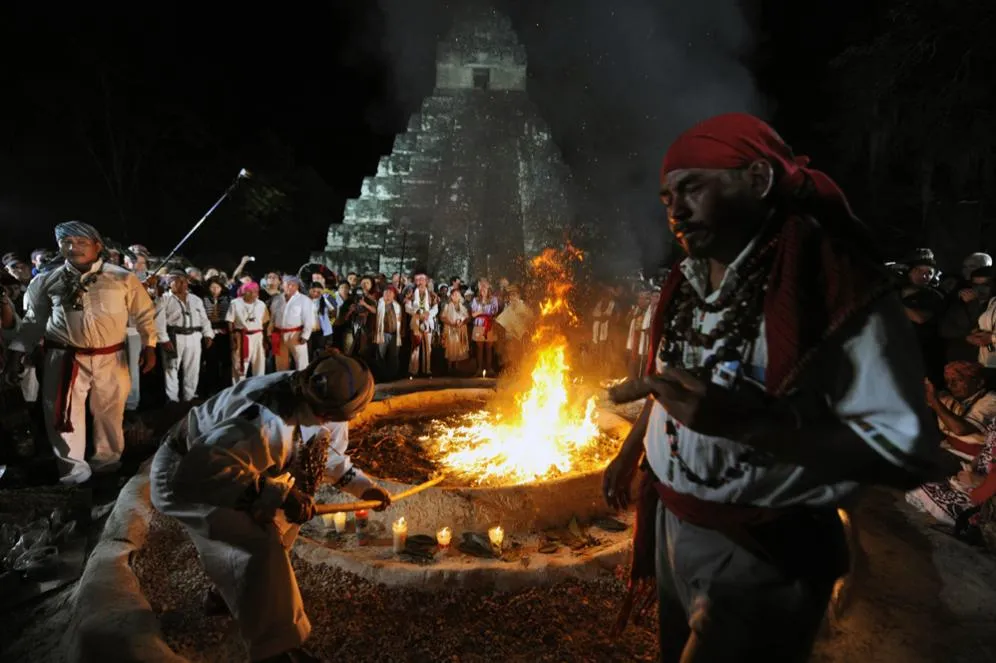
What Did Maya Ceremonies and Rituals Mean?
Maya ceremonies expressed spiritual beliefs and relationships with sacred powers. They offered ways to honour deities, ancestors and the forces that shaped the world.
Their purposes included seeking successful harvests, responding to uncertainty, maintaining cosmic balance and marking important events. Many traditions emphasise reciprocity and the relationship between people and the wider living world.
Ceremonies took place in settings such as temples, plazas, caves and cenotes. Participation and access varied according to the occasion, community and roles of those involved.
Calendars helped organise ceremonial and community life. The 260-day Tzolk’in and 365-day Haab’ worked alongside the Long Count, which recorded dates over extended periods.
Observation of the sun, moon and other celestial bodies informed Maya timekeeping. Inscriptions on monuments, books and ceramics recorded rulers, histories and ceremonial events.
Songs, prayers, dance, gestures, dress and masks could carry ceremonial meaning. Incense burners, mirrors and musical instruments such as drums, flutes and rattles contributed to the setting and significance of different rituals.
Different Purposes of Maya Ceremonies
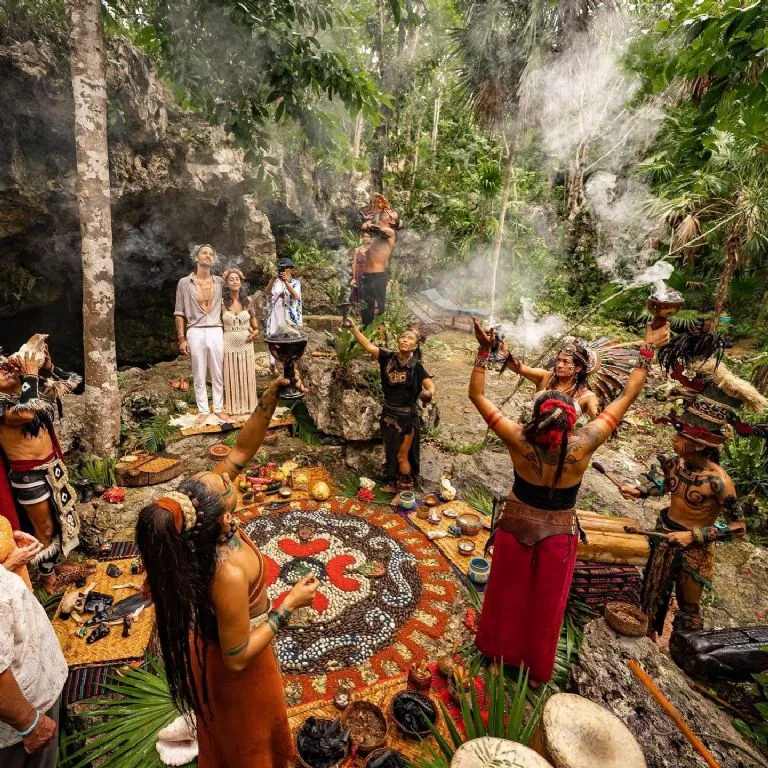
Maya ceremonial practices were diverse. Their purpose, timing and participants varied, making it important to distinguish historical practices from contemporary experiences offered to visitors.
1. Agricultural ceremonies: prayers and offerings associated with rainfall, fertile land and harvests formed an important part of community life. Chaac, the rain deity, held a prominent place in these traditions.
2. Political ceremonies: events such as accessions, the dedication of buildings and celebrations of victories expressed the authority of rulers and their relationships with the sacred.
3. Calendrical ceremonies: significant dates and cycle endings provided occasions for ritual activity, reflecting the importance of timekeeping and celestial observation.
4. Funerary ceremonies: burial practices and offerings honoured the dead. Their form varied with period, region and social status, and archaeological evidence reveals a wide range of traditions.
5. Bloodletting rituals: in some historical contexts, ritual bloodletting expressed devotion and communication with sacred powers. This is a subject of historical study, not an activity offered to visitors at Zazil Tunich.
Offerings in Maya Tradition
Offerings expressed reciprocity between people and the sacred. Their materials and meanings varied with the occasion and context.
- Food offerings could include maize, beans, squash, chillies, cacao and honey. These products of the land connected ceremonial life with everyday sustenance.
- Animal offerings also formed part of some historical rituals. Archaeological evidence helps researchers understand their context and significance.
- Blood and sacrifice appear in certain historical ceremonial contexts and must be understood through the evidence for particular places and periods. These practices should not be confused with contemporary cultural ceremonies for visitors.
- Objects such as jade, ceramics, incense, paper and flowers could carry symbolic value. Offerings have been found in settings including tombs, caves, cenotes and temples.
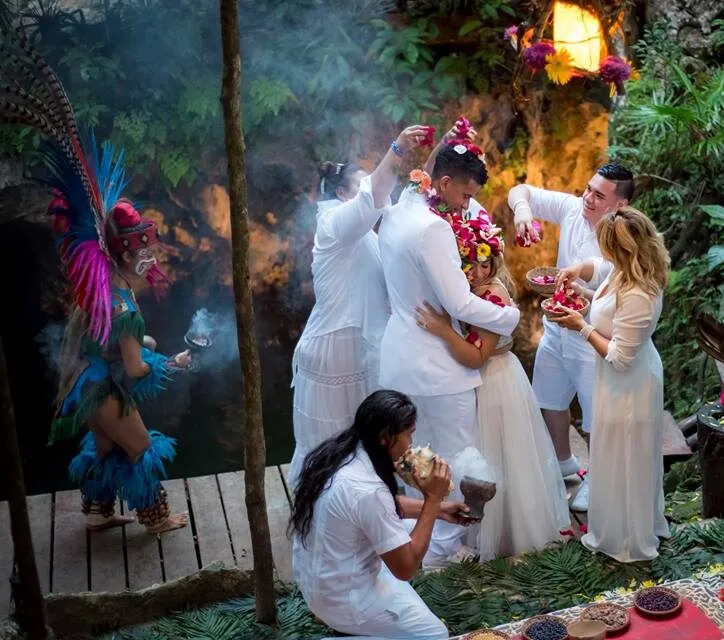
At Zazil Tunich, selected experiences include a Maya purification ceremony as part of the cultural journey into the underground setting. Review the schedule and inclusions before booking; the ceremony is not offered on Tuesdays. http://www.zaziltunich.com/reservations
