
An Underwater Refuge: Exploring Biodiversity at Zazil Tunich
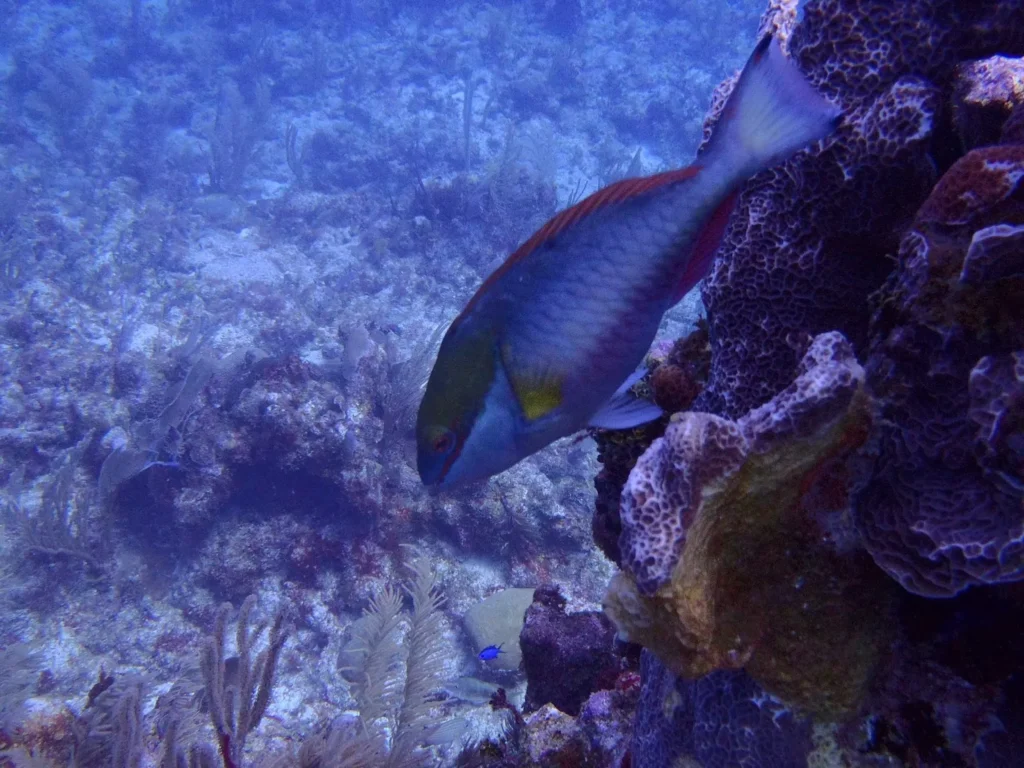
Zazil Tunich is home to a rich variety of aquatic life, including species native to the region. From small fish adapted to low light to crustaceans that help keep the water clean, each organism has a part to play in the ecological balance of the cenote.
Life in the Darkness
Adaptation to life in the dark is one of the fascinating stories of Zazil Tunich. Fish such as blind cavefish and gambusia illustrate how aquatic life can adapt to low-light environments. The inhabitants of the cenote reveal the resilience of life and the remarkable adaptability of species.
Plants That Thrive in the Shade
The plants around and within Zazil Tunich are just as captivating. Vegetation clinging to rocky walls and algae in the water create a green tapestry that complements the cenote’s natural beauty. Beyond their appearance, these plants contribute to the oxygen that supports aquatic life.
A Haven for Birds
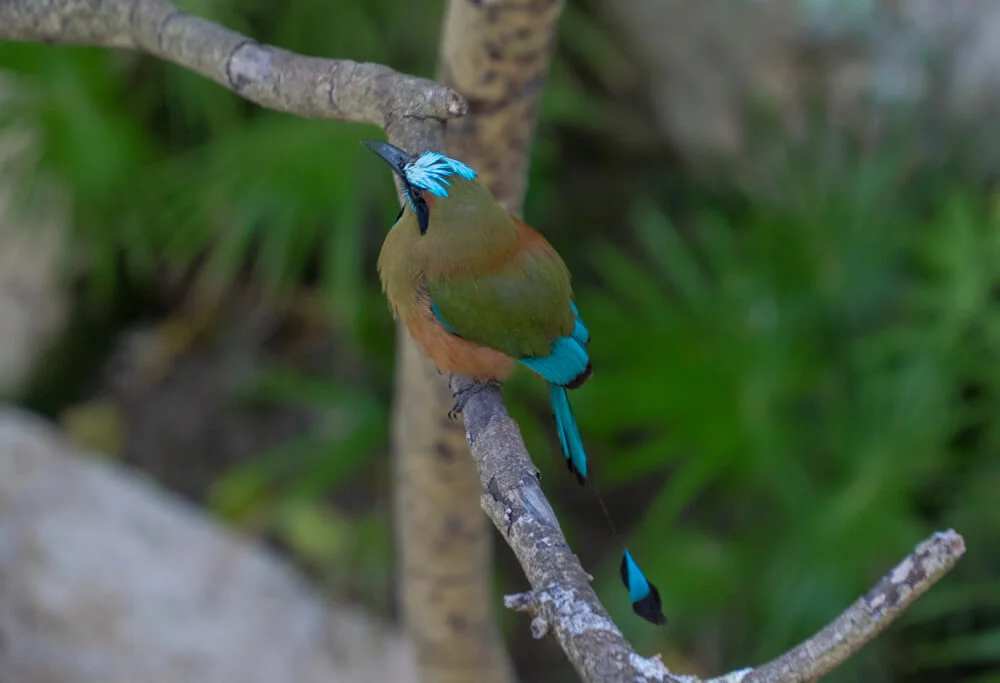
Life at Zazil Tunich extends above the water too. Birds such as the toh, or Yucatán motmot, find shelter in the vegetation surrounding the cenote. Birds contribute to pollination and seed dispersal, helping sustain the wider ecosystem.
Conserving Zazil Tunich is essential to protecting its unique biodiversity. Education and sustainable tourism help raise awareness of the importance of these ecosystems and encourage practices that preserve them for future generations.
Explore Responsibly
We invite you to discover the biodiversity of Zazil Tunich responsibly. Visiting with care helps protect the cenote’s natural heritage. Book through our website and experience this remarkable ecosystem for yourself.
Book your visit to discover the ecosystem of Zazil Tunich. Come and discover the life hidden in this corner of Yucatán. We look forward to sharing a natural world full of surprises and discoveries with you.
