
Discover the natural diversity associated with Yucatán’s cenotes. Formed within limestone landscapes, these freshwater features support varied ecosystems, from cave-adapted aquatic life to bats and surrounding vegetation.
A Refuge for Underground Life
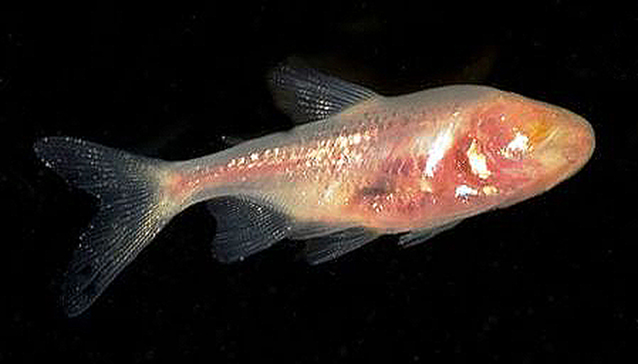
Cenote habitats vary in light, depth and connection with surrounding caves. Some regional cave systems contain fish adapted to darkness, using senses other than sight to find their way and feed.
Invertebrates such as crustaceans, molluscs and worms also play important ecological roles. Some caves provide shelter for bats, while amphibians and reptiles inhabit suitable areas around the water and vegetation.
Where enough light reaches damp rock, plants such as ferns can grow. Around cenote entrances, mosses and other vegetation add greenery and create resources for local wildlife.
Discovering the Cenote’s Biodiversity
Visiting a cenote offers a closer look at its natural setting. Activities differ between sites, so follow the permitted route and swimming arrangements for your chosen experience.
Look carefully at the wildlife and vegetation you encounter, remembering that species vary between cenotes. Stalactites and stalagmites also reveal the geological processes that shaped these habitats.
Cenote ecosystems are vulnerable. Pollution, excessive use of water and environmental change can threaten their biodiversity.
Help care for them by reducing plastic waste, following site rules on personal products and supporting local conservation. Responsible visits protect a valuable natural heritage for future generations.
Discover the beauty of cenotes through their water, cave formations and surrounding life. Take time to notice the details that make each setting distinctive.
These landscapes invite a closer relationship with nature and remind us why its protection matters. Explore with care, and appreciate the diversity of life around you.
