
Yucatán’s cenotes preserve geological and cultural stories. While Zazil Tunich is known for its clear water, the region’s dry cenotes reveal a different underground landscape, shaped by changes in water and rock over time.
Dry Cenotes: Windows into the Underground World

Cenotes form within limestone landscapes through dissolution and the collapse of underground cavities. Dry features, without visible water at their accessible level, reveal aspects of changing geology and the underground water system.
Even without a visible pool, these places can be striking. Rock walls and cavern spaces invite reflection on the past. Zazil Tunich is a water-filled cenote, but its guided interpretation introduces the wider geological and cultural context of the region.
The Cultural Meaning of Dry Cenotes
Caves and cenotes could hold spiritual significance in Maya traditions. Particular underground spaces may have served ceremonial purposes, with their setting contributing to the meaning of rituals. Interpretations depend on the evidence at each site.
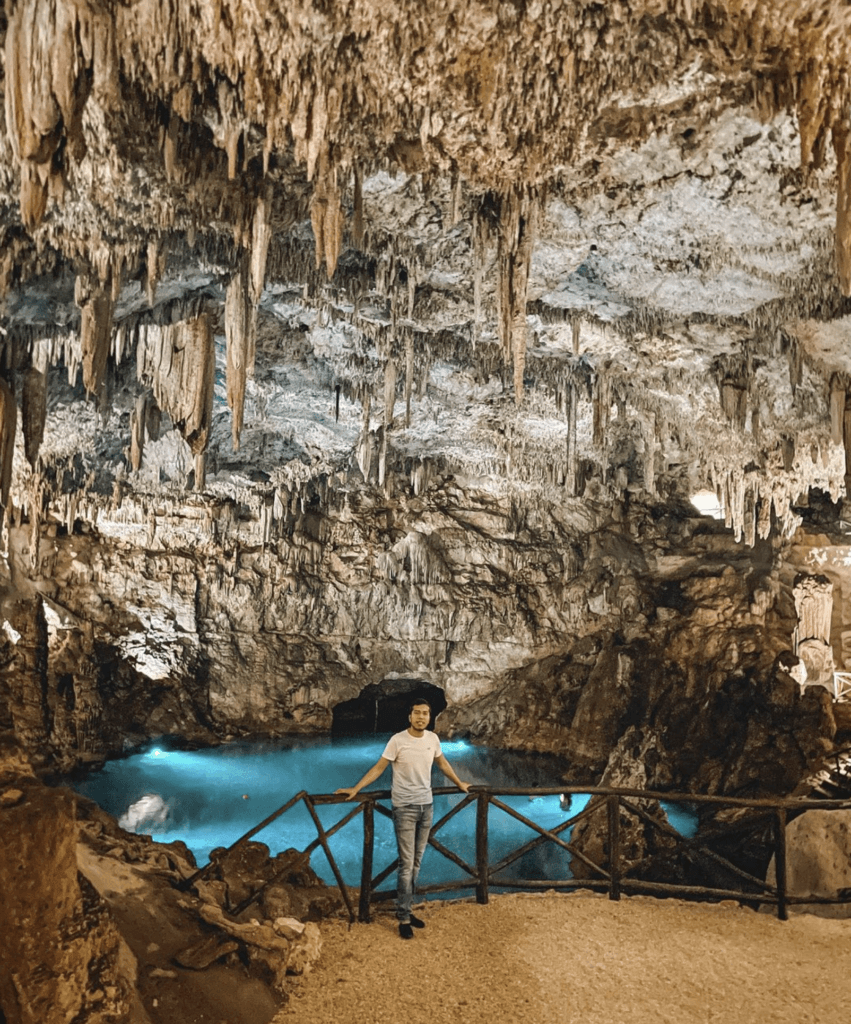
Zazil Tunich connects contemporary visitors with stories of nature and Maya heritage. Guided interpretation and care for the landscape encourage a balance between discovery and preservation.
Reserve a visit to Zazil Tunich to learn about Yucatán’s cenotes. Its clear water and formations offer a memorable setting for understanding the broader stories of wet and dry underground landscapes.
Let this introduction inspire a closer look at Yucatán’s cenotes. Visit with curiosity and respect, and discover why these natural landscapes are an important part of the region’s heritage.
