
Our Story
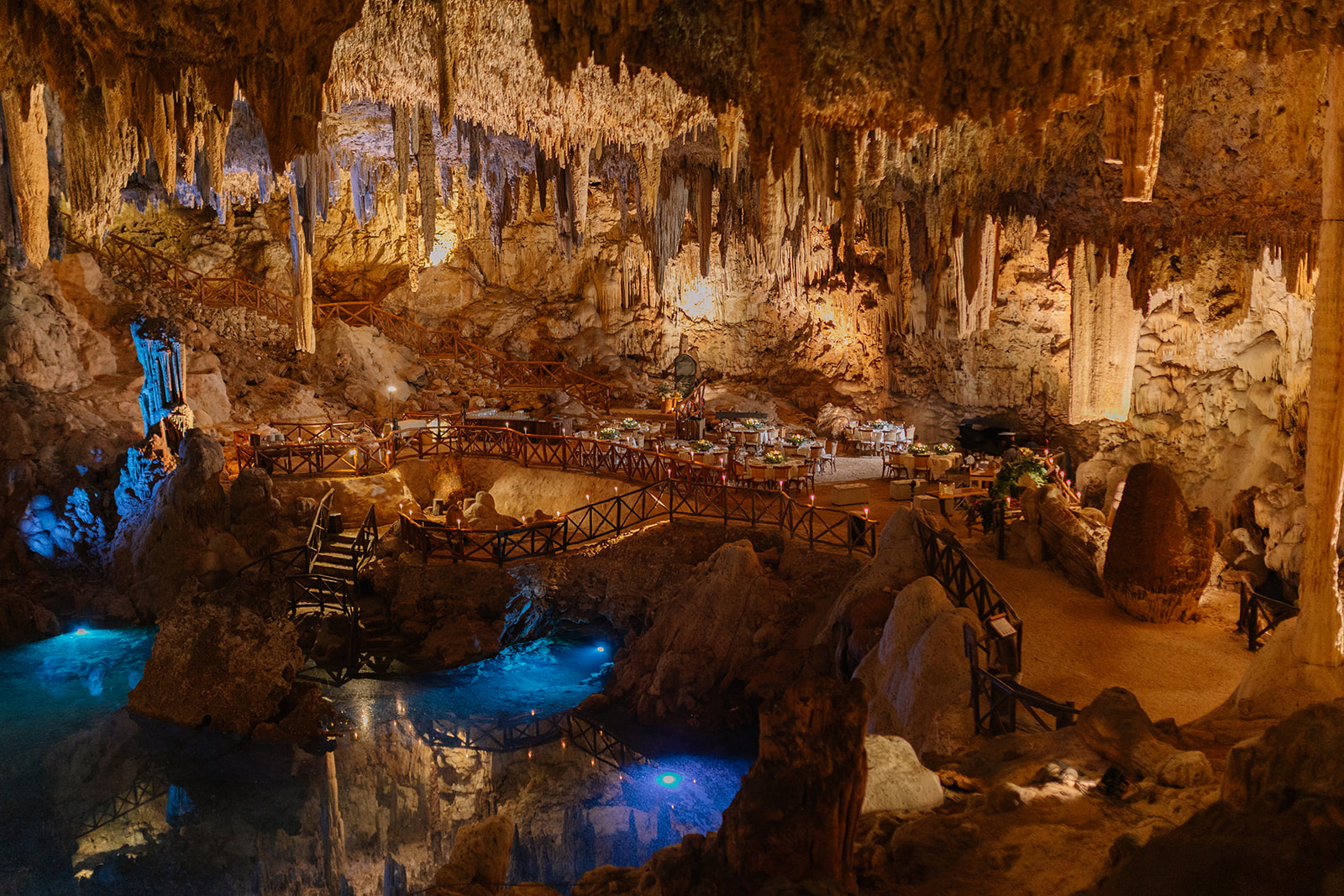
Hidden for generations… Rediscovered through a family’s vision.
Local accounts connect the hiding of caves with the upheaval of Yucatán’s Caste War, when Maya communities were forced from their lands. Entrances were covered and routes concealed. In the story passed on to us, Zazil Tunich’s ancient cavern lay hidden beneath mud, stone and the passage of time.
Generations passed. The forest covered it, and silence settled over the place. But another chapter was waiting to begin.
Discover Our Story
One family, a shared vision, nature’s artistry and a living culture
How It All Began
Yucatán is a land of thousands of cenotes, some accessible and others hidden in the forest or underground. Our story began with a different ambition: to care for the natural setting, recover the cultural meaning of the underground world and share it through a more intimate kind of visit.
Our family of six, with different ages and ideas, lived in the city and wanted a nearby place to spend weekends in nature. In the summer of 2009, we found land with the remains of a waterwheel, traces associated with the Caste War, an old house close to ruin and an almost buried opening in the ground.
Where others might have seen little promise, we saw a mystery waiting to be discovered.


A Call from Below
Among stones, vegetation and layers of mud, we descended through the forgotten opening towards the water source of the ruined waterwheel. About 20 metres underground, piles of earth and rock suggested both collapse and the deliberate covering described in local accounts. Water remained, though its flow was restricted. Beyond it lay a hidden world.
Our lamps cast shadows across the cavern, revealing stalactites and stalagmites shaped by natural processes over an immense span of time.
We realised that this was more than an almost buried cenote. It was a remarkable place we wanted to recover and care for. What had begun as a property purchase felt like the beginning of a responsibility.
A Weekend Retreat Becomes a Family Legacy
At first, we simply wanted to build a weekend home. But every stone removed, water channel reopened and space illuminated revealed more of the place’s story. Local accounts suggested that the cavern had been deliberately concealed during the nineteenth-century conflict in Yucatán.
Gradually, the idea of a retreat became a project that inspired the whole family. Working together was not always easy: different dreams and lifestyles brought disagreements, challenges and sacrifices. Armando Geded’s business vision helped give the project direction. Our shared passion for the landscape and Maya heritage taught us to work as a team, shaping the visitor experience we offer today.
The Cenote Museum Takes Shape
The work took eight years. With limited resources and little experience, we relied on determination, physical effort and respect for the setting. Shovelful by shovelful, we removed stone and mud, reopening water channels until the flow gradually returned.
The stone formations began to shine, as though the place were breathing again.
The recovered cenote, its naturally sculpted formations and the symbolism of Xibalbá, the Maya underworld, inspired us to share the setting with visitors.
That was the beginning of Zazil Tunich Cenote Museum: a place to admire nature’s artistry, discover cultural stories and deepen our respect for the environment.
We chose Maya mythology as the framework for our visitor experience, drawing on the stories of Xibalbá in the sacred K’iche’ Maya book, the Popol Vuh.
The journey takes visitors about 20 metres underground and into a cultural interpretation of the Maya world. It is an invitation to slow down and discover a different perspective.
Zazil Tunich: “Shining Stones”
When we illuminated the first stalactites, we asked the Maya ceremonial practitioner accompanying us what these stones were called. He answered in Maya: Zazil Tunich, meaning illuminated stones or shining stones. We chose the name as a tribute to the natural formations and to the light that revealed their beauty within the darkness.
The name reminds us of the work of recovery and our continuing responsibility to care for this natural setting. We invite visitors to share that care.

A Culture That Remains Alive
Our family wanted Zazil Tunich to honour both nature and living Maya heritage. The project has created work for craftspeople, traditional cooks and local communities, drawing on skills and traditions passed between generations.
We founded the organisation Fortaleciendo Familias to support Maya single mothers, whose knowledge includes hammock making and the regional recipes served in our experiences.
Zazil Tunich became a bridge between past and present, and between the land and the people who care for it.
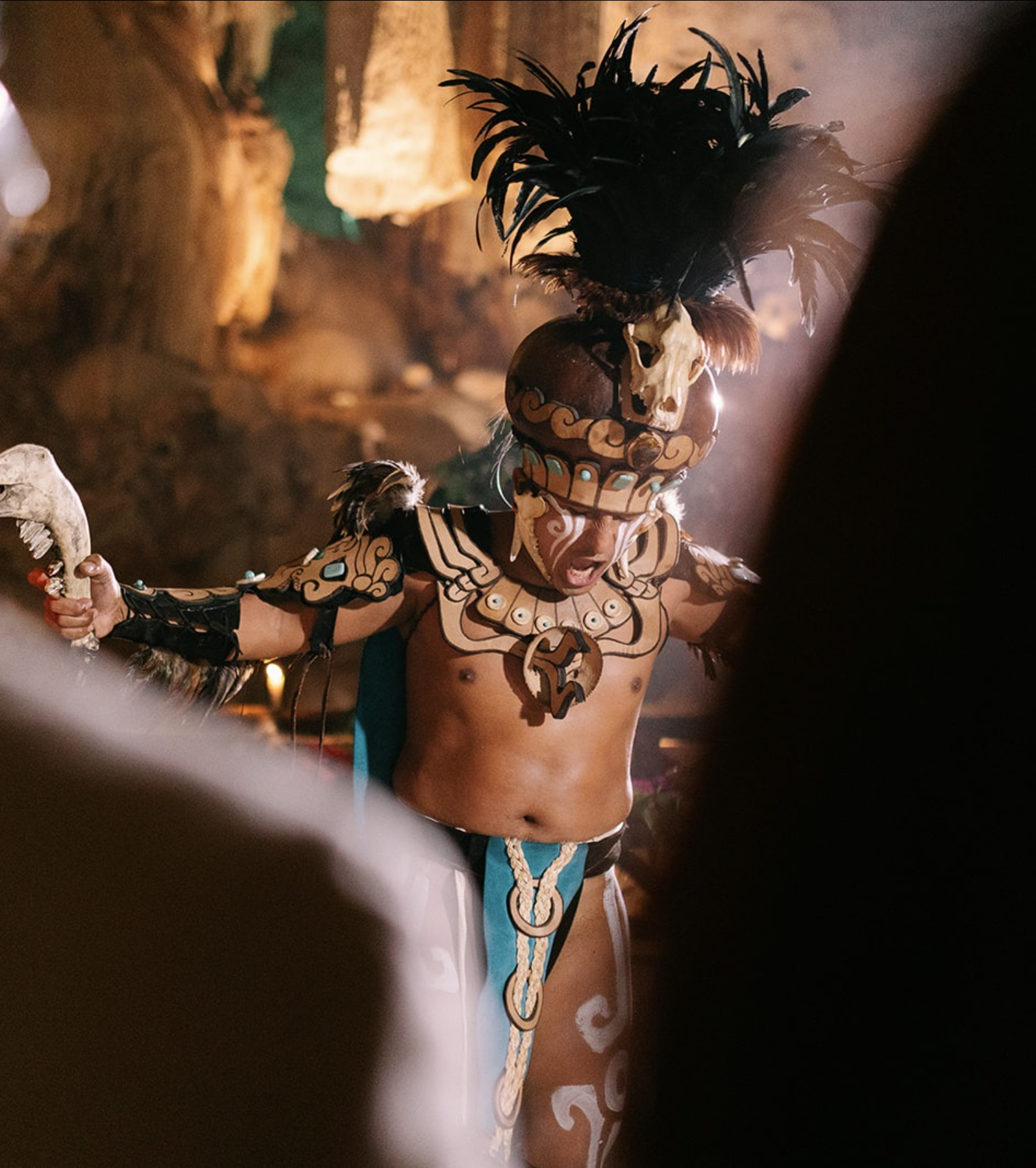

Discover Zazil Tunich on Your Journey through Yucatán
We have created a meeting place for nature, natural artistry and living Maya heritage. It offers a more intimate experience for travellers who want to discover Yucatán beyond crowded attractions.
For couples, the setting offers space to celebrate love. Some choose symbolic ceremonies associated with Ixchel, while others enjoy romantic dining and special moments together.
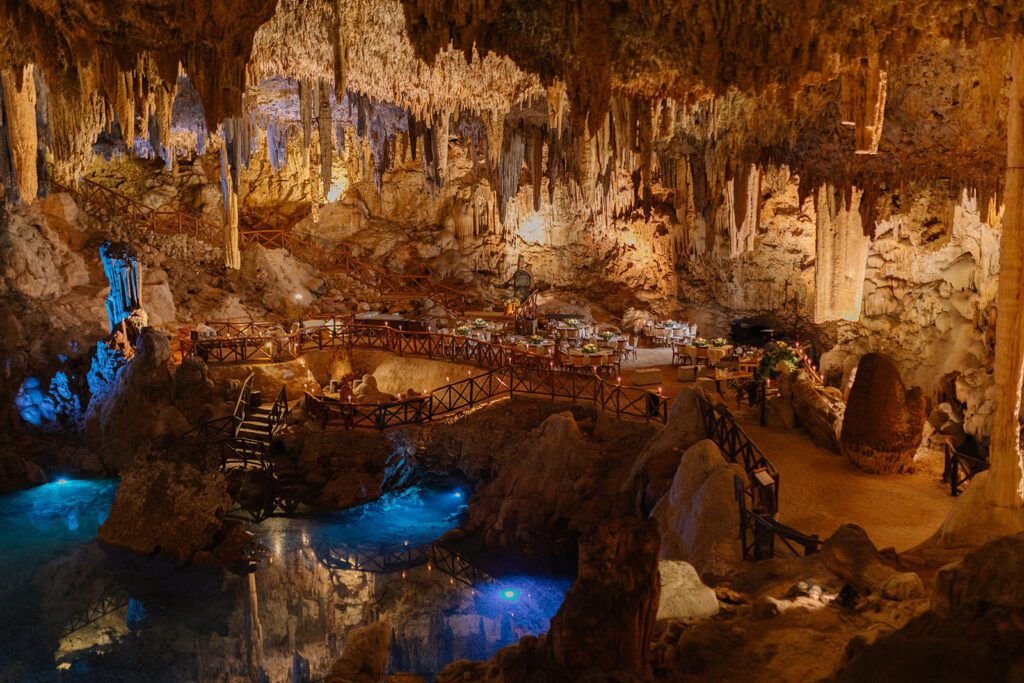
Encounter in Xibalbá
In March 2023, at Mexico’s tourism fair, Zazil Tunich received recognition for its experience Encounter in Xibalbá experience (a journey about 20 metres underground): the National Tourism Innovation Award. The award recognised the work and passion our family has put into sharing our roots and Maya cultural heritage.
The Best of Yucatán
In 2024, the state government, through its tourism department, recognised Zazil Tunich among the experiences featured in Lo Mejor de Yucatán — The Best of Yucatán.

The Best of Yucatán
The setting invites visitors to pause, reflect and appreciate the cultural meaning of the water and underground landscape.
Every story shared, ceremony experienced and family welcomed adds another chapter to our vision for a cenote experience in Yucatán.
Come with curiosity and discover the depth of the landscape, the richness of cultural traditions and the moments that make a journey personal.